

How the market actually works
Most investors start with "what stock should I buy." The better question is "how does the market decide what a stock is worth." Order books, price discovery, indices, corporate actions, costs and taxes. These are the plumbing. Without them, factor and momentum strategies are just words.
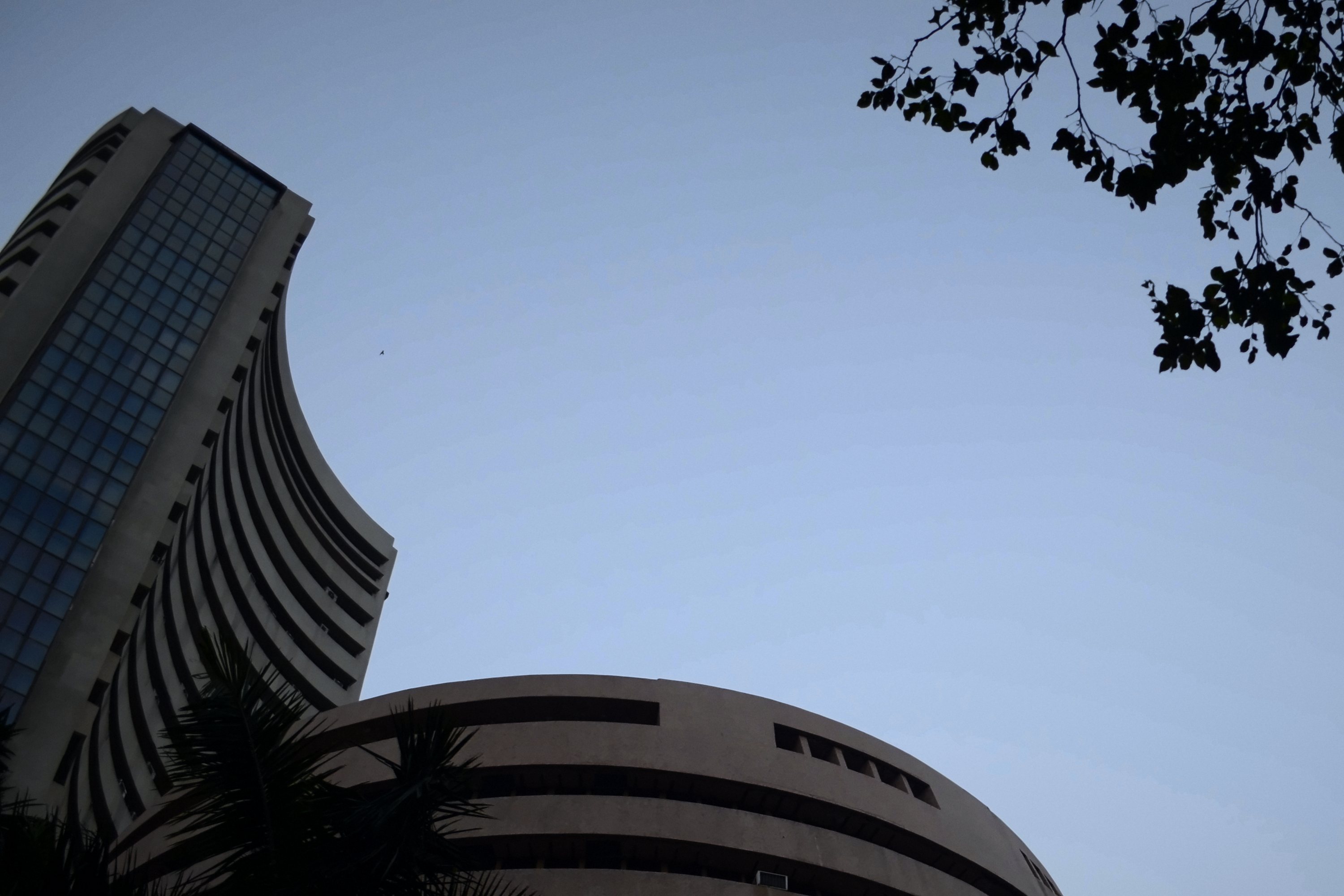
India has two main exchanges. The National Stock Exchange (NSE) is the larger by volume and the venue for most derivatives. The Bombay Stock Exchange (BSE) is older and still the primary listing venue for many corporates. Both are regulated by SEBI. The equity day runs from a 9:00 pre-open auction to continuous trading from 9:15, and since 3 August 2026 stocks with F&O contracts close through an auction after 3:15 pm while the rest trade until 3:30. Every trade settles T+1.
The rules underneath change more often than people think. In the last two years alone, tick sizes started to vary with price, index lot sizes were cut, the closing price moved to an auction for the largest stocks, and retail algo trading got its own framework. Module 10.1 has the current plumbing in one place.
The products you can actually buy
Equity shares are only one of many instruments that trade on Indian exchanges. Mutual funds, ETFs, index funds, bonds, derivatives, REITs, InvITs, and commodities each serve different purposes in a portfolio. Knowing which is which, and which belongs in your allocation, is half the work.
This path is deliberately structured so a complete beginner can start at module 6.1 and finish module 6.9 with a working map of the entire Indian investable universe.
Common questions about Indian stock markets
How does the Indian stock market work?
India has two main exchanges, NSE and BSE, both regulated by SEBI and open from 09:15 to 15:30 IST on weekdays. NSE is larger by volume and the venue for most derivatives. BSE is older and still the main listing venue for many companies.
What can I invest in on Indian exchanges?
Equity shares, mutual funds, ETFs, index funds, bonds, derivatives, REITs, InvITs and commodities all trade in India. Path 6 explains each one, from equity shares in Module 6.1 to gold, commodities and international investing in Module 6.9.
What is a stock market index like the Nifty 50?
A stock market index tracks a basket of stocks and serves as a benchmark. Module 1.3 covers Nifty 50, Nifty 500 and sectoral indices and how their weights are computed. Most plain indices weight stocks by company size, while a quantitative index weights them by fixed rules.